The Science Behind Effective Thermal Insulation in Industrial Facilities Jan 10, 2026
To begin with, let’s delve into the science behind thermal insulation. At its core, thermal insulation refers to the process of reducing heat transfer between objects in thermal contact or within the range of radiative influence. This is achieved through materials that have low thermal conductivity, which is a measure of a material’s ability to conduct heat. The lower the thermal conductivity, the more effective the insulation.
In industrial facilities, maintaining the correct temperature is not just about comfort—it directly affects the efficiency and longevity of machinery, the quality of stored products, and overall energy consumption. By minimizing unwanted heat loss from building structures or machinery, insulation helps maintain desired temperatures with less energy use, thus lowering energy bills.
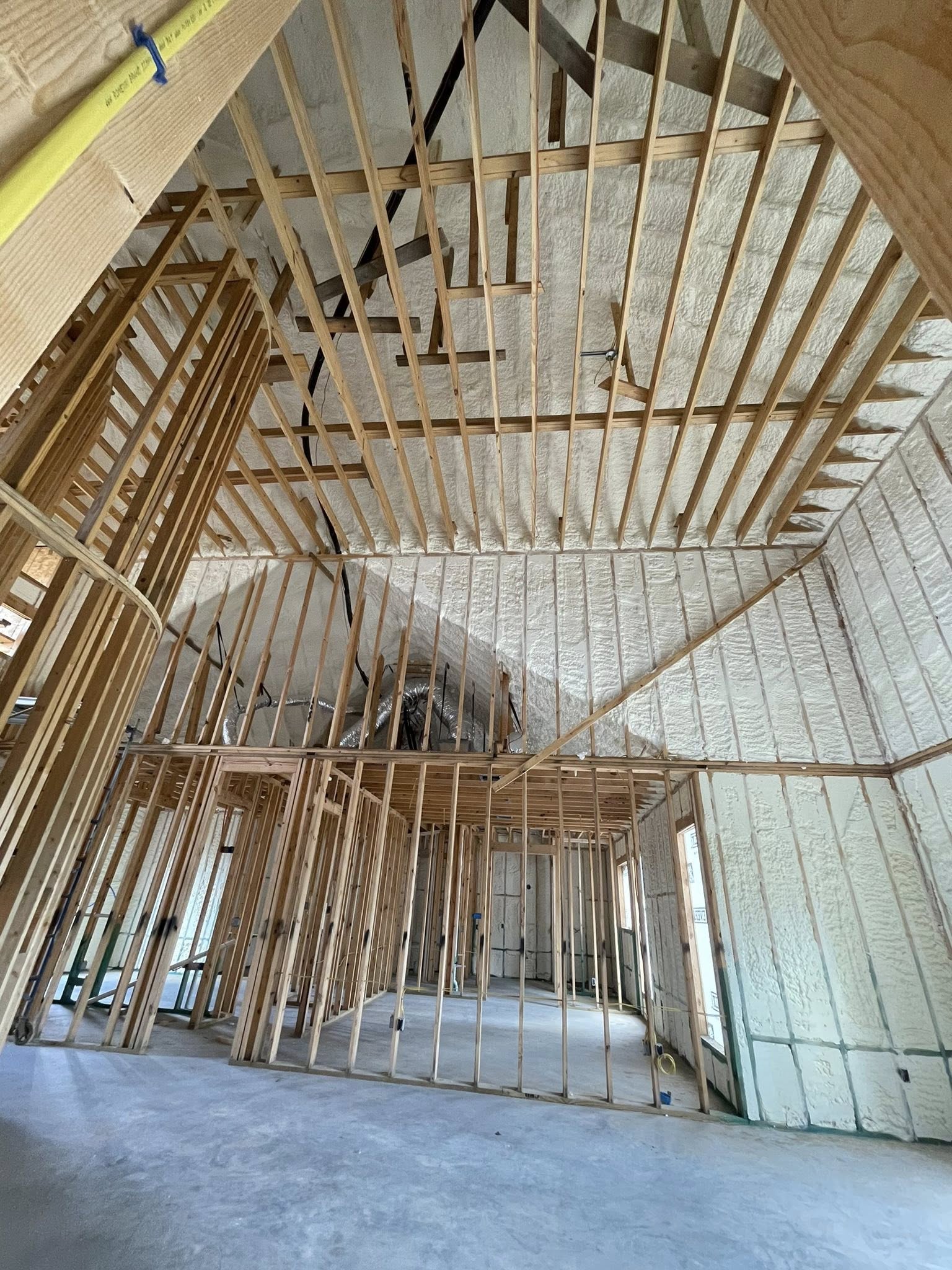
Spray foam insulation is particularly advantageous in this sector due to its excellent performance and versatility. It expands upon application, filling gaps and sealing air leaks more effectively than traditional insulation materials. This helps prevent the ingress of moisture and air, which can compromise thermal efficiency. The ability of spray foam to adhere to various substrates also allows it to be used in hard-to-reach areas, ensuring comprehensive coverage and uniform protection against thermal transfer.
The choice of insulation material is another critical factor. The right material not only reduces thermal transfer but also enhances structural resilience. Spray foam, known for its durability and high R-value—a measure of thermal resistance—proves effective in preserving heat even in harsh industrial environments. Its closed-cell structure provides rigidity and strength, adding to the structural integrity of buildings.
Beyond the material itself, proper installation is paramount. Even the best insulation can underperform if not correctly applied. This is where the expertise of Industrial Spray Foam & Coatings comes into play. With professional application, you can ensure that every nook and cranny of the facility is insulated, optimizing both performance and cost-effectiveness over time.
An often overlooked benefit of effective thermal insulation is its environmental impact. By improving energy efficiency, you reduce the demand on power plants, thus cutting down on greenhouse gas emissions. This aspect of sustainability is becoming increasingly important not only from a regulatory standpoint but also in building a responsible corporate image.
In conclusion, implementing an effective thermal insulation strategy can provide a significant competitive edge. By partnering with knowledgeable contractors like Industrial Spray Foam & Coatings, businesses can ensure their facilities maintain optimal thermal conditions efficiently and sustainably. A well-insulated facility means reduced energy costs, enhanced machinery performance, and a robust contribution toward environmental conservation.
Incorporating thermal insulation should be viewed not merely as a cost but as a strategic investment into your facility’s future—a pathway to creating an efficient, sustainable, and economically sound industrial operation. Remember, when it comes to thermal insulation, the science is clear: efficiency and long-term savings go hand in hand.
/filters:no_upscale()/filters:format(webp)/media/86bd32d4-0cd7-4226-b0b8-d4d20996372d.jpeg)