Tailored Insulation Solutions: How Spray Foam Meets Unique Industrial Challenges May 15, 2026
When considering insulation for industrial settings, it’s important to understand the unique demands of such environments. These demands may include extreme temperature variations, high levels of moisture, structural complexities, or even specific safety requirements. The choice of insulation must be versatile enough to adapt to these conditions while ensuring maximum energy efficiency. This is where spray foam insulation truly shines.
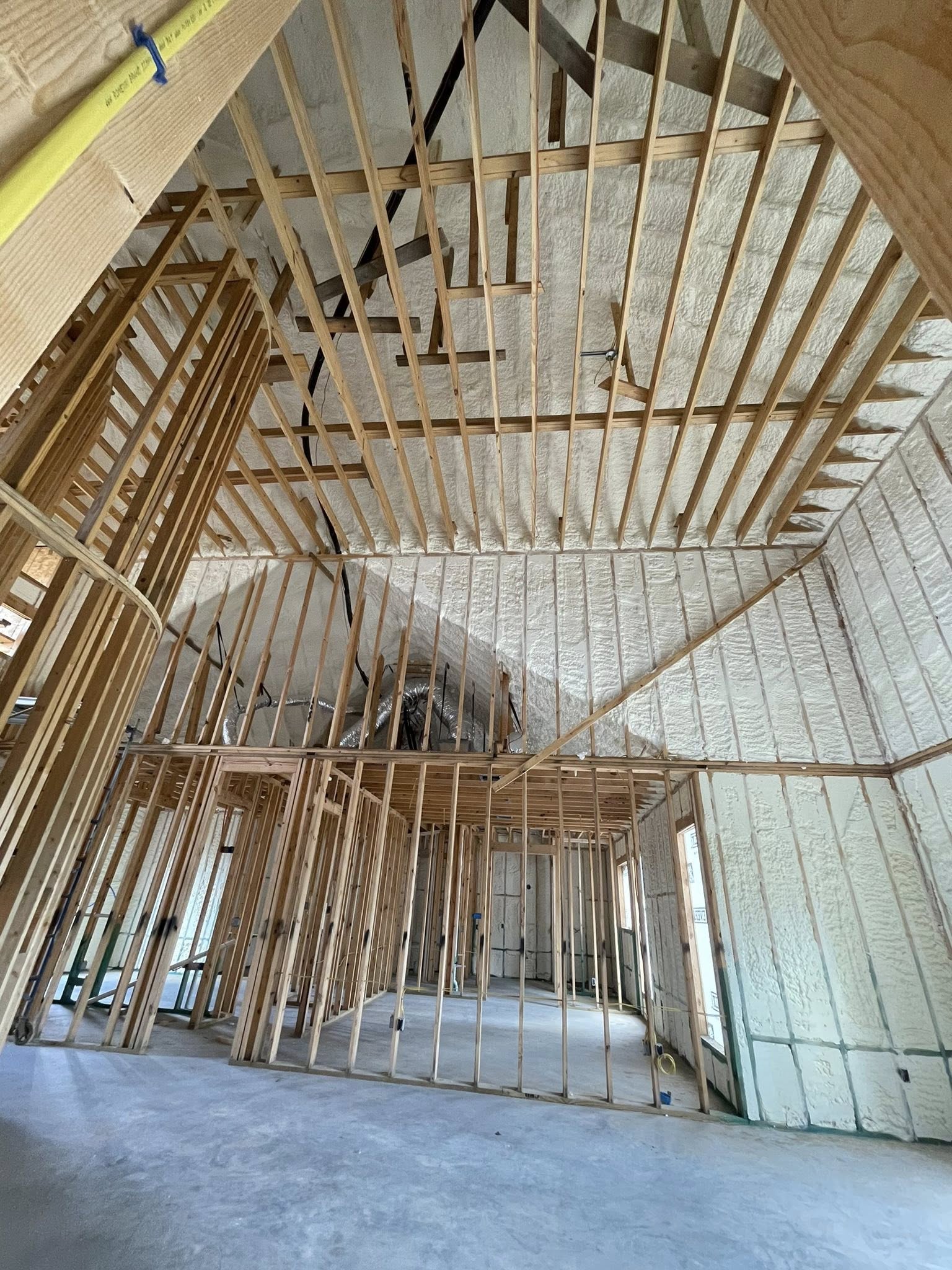
Spray foam is renowned for its excellent thermal resistance or R-value, making it one of the most effective insulation materials on the market. It creates a continuous barrier on walls and ceilings, significantly reducing heat loss and air leakage. This can lead to substantial energy savings, especially in industries with large spaces that require consistent climate control. By maintaining stable internal temperatures, businesses can ensure operational efficiency and product quality.
But the benefits of spray foam go beyond just thermal insulation. Its application method allows it to adhere tightly to surfaces, regardless of shape or size. This adaptability is particularly beneficial in industrial settings where traditional insulation materials might not suffice. Whether you’re insulating pipelines, storage containers, or complex machinery, spray foam can reach the nooks and crannies other insulation types might miss.
Moreover, spray foam also offers impressive moisture resistance. In industries where the risk of condensation is high, such as food and beverage processing facilities, preventing moisture intrusion is crucial. Spray foam’s impermeable membrane keeps water out, thus reducing the risk of mold growth and structural damage. This not only protects the integrity of the building but also helps maintain rigorous hygiene standards.
Safety is another critical consideration in industrial environments. Spray foam is non-toxic and adheres to stringent safety standards, making it a safe choice for facilities that must adhere to strict health regulations. It’s also resistant to chemical spills and acts as a fire retardant, adding an extra layer of safety.
For businesses aiming to improve their environmental footprint, spray foam provides an eco-friendly insulation solution. It is durable, reducing the need for frequent replacements, and many modern spray foams are manufactured with environmentally responsible processes.
Implementing spray foam insulation in your industrial facility begins with a comprehensive assessment conducted by experts such as Industrial Spray Foam & Coatings. Professionals can evaluate the specific needs of your site, recommend the most suitable product, and ensure proper application. Professional installation maximizes the efficiency and longevity of foam insulation, safeguarding your investment.
In conclusion, spray foam addresses unique industrial insulation challenges with its unmatched versatility, energy efficiency, and durability. Its comprehensive benefits make it a superior choice over traditional methods, supporting both operational needs and sustainability efforts. By opting for spray foam, industries can not only tackle specific insulation challenges but also achieve long-term cost savings and enhanced facility performance. For businesses seeking tailored solutions that align with their unique demands, spray foam undeniably stands out as the insulation material of choice.
/filters:no_upscale()/filters:format(webp)/media/86bd32d4-0cd7-4226-b0b8-d4d20996372d.jpeg)