Reducing Carbon Footprint: The Sustainable Approach of Industrial Spray Foam Apr 14, 2026
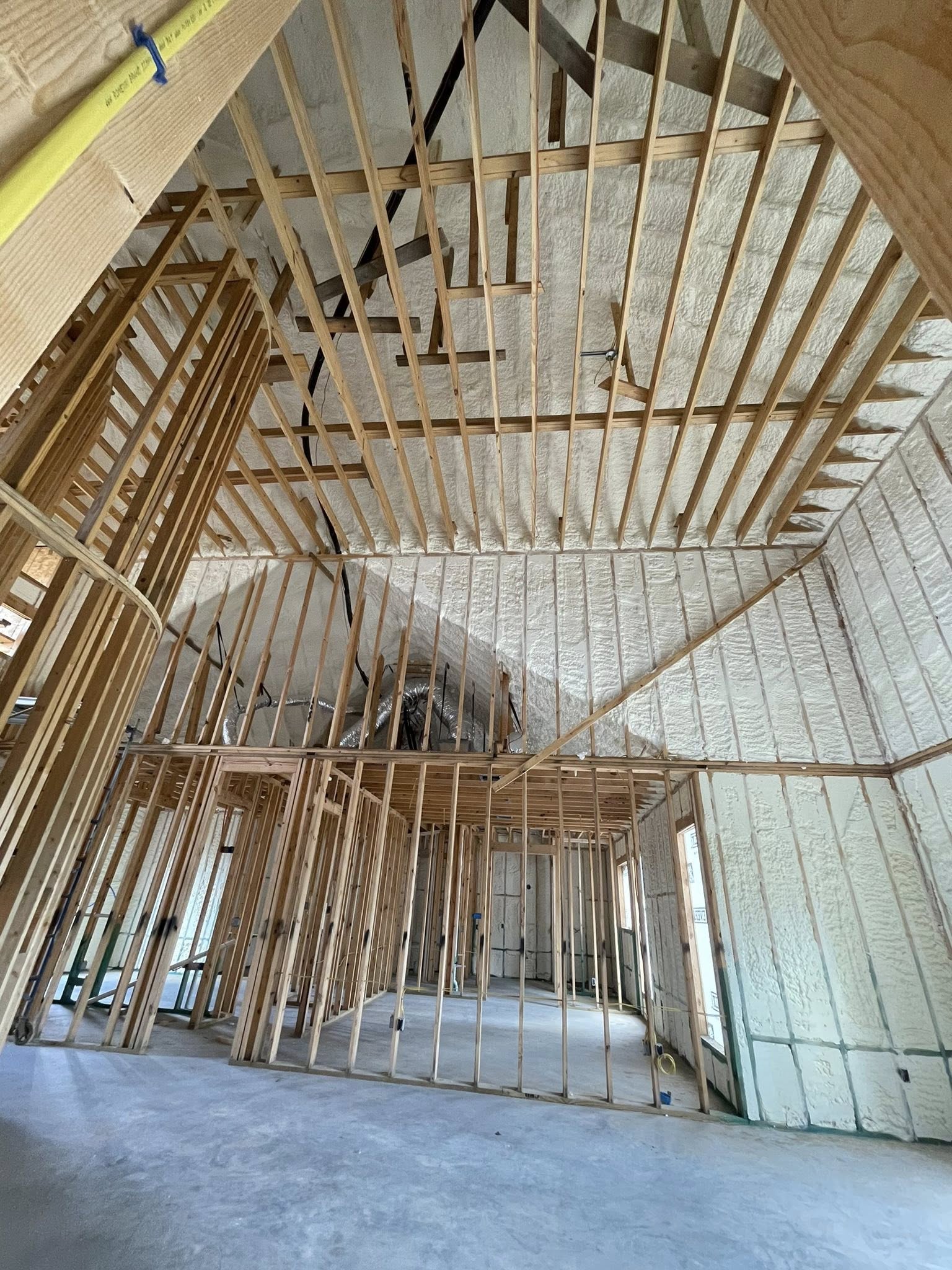
Spray foam insulation serves as a thermal barrier that greatly minimizes the energy needed to maintain optimal temperatures within buildings. This energy efficiency translates directly into reduced greenhouse gas emissions, as less fuel is required for heating and cooling. The application of industrial spray foam involves the combination of two substances, which then expand and harden to create an air-tight seal. This seal prevents air leakage more effectively than traditional insulation methods, thereby enhancing energy efficiency.
Beyond reducing energy consumption, spray foam insulation can also contribute to a healthier indoor environment. By sealing off gaps and cracks where air can escape, spray foam deters the infiltration of pollutants and allergens, improving the air quality within industrial facilities. This not only supports the health and well-being of employees but also underscores a commitment to sustainable practices that prioritize people and planet.
Industries such as manufacturing, storage, and food processing benefit immensely from spray foam insulation. These facilities often have large spaces that require consistent climate control. Traditional insulation methods fall short in covering all potential leakage points, but industrial spray foam creates a comprehensive seal. By minimizing heat transfer and air infiltration, spray foam ensures that facilities maintain stable temperatures, which is crucial for processing industries sensitive to temperature variations.
Moreover, utilizing spray foam insulation is in alignment with modern sustainability mandates and building codes, which are increasingly focused on environmental responsibility. Companies adopting such eco-friendly measures not only comply with regulations but also foster a positive corporate image. This image can be leveraged to appeal to eco-conscious consumers and investors who are increasingly scrutinizing companies' environmental practices.
The economic benefits of spray foam insulation further enhance its appeal. With rising energy costs, reducing consumption translates into significant financial savings. The initial investment in spray foam may be higher than traditional insulation materials, but the long-term savings in energy bills and potential tax incentives for energy-efficient upgrades provide a compelling return on investment. For many businesses, these savings can be redirected to other sustainability initiatives, creating a cycle of environmental stewardship.
At Industrial Spray Foam & Coatings, the commitment to reducing carbon footprints is rooted in providing innovative insulation solutions that meet the demands of industrial clients while supporting global sustainability goals. The application process is efficient and minimally invasive, ensuring that businesses can maintain operational continuity while upgrading their facilities.
In conclusion, industrial spray foam insulation offers an effective approach to reducing carbon emissions and enhancing sustainability. By choosing this method, industries not only contribute to environmental preservation but also enjoy improved energy efficiency, healthier work environments, and financial savings. As companies strive toward a greener future, incorporating advanced insulation solutions is a critical step in achieving sustainable operations. Contact Industrial Spray Foam & Coatings today to explore options that can transform your business into an eco-friendly powerhouse.
/filters:no_upscale()/filters:format(webp)/media/86bd32d4-0cd7-4226-b0b8-d4d20996372d.jpeg)