Eco-Friendly Insulation Choices: Industrial Spray Foam and Coating Innovations Jan 02, 2026
Choosing the right insulation is a pivotal decision, influencing energy consumption and your environmental footprint for decades. Traditional insulation materials such as fiberglass and mineral wool, while effective in certain applications, have environmental drawbacks, including high energy usage in production and disposal challenges. Enter spray foam insulation, known for its superior energy efficiency and environmental benefits. But what exactly sets spray foam apart, and why is it considered an eco-friendly option?
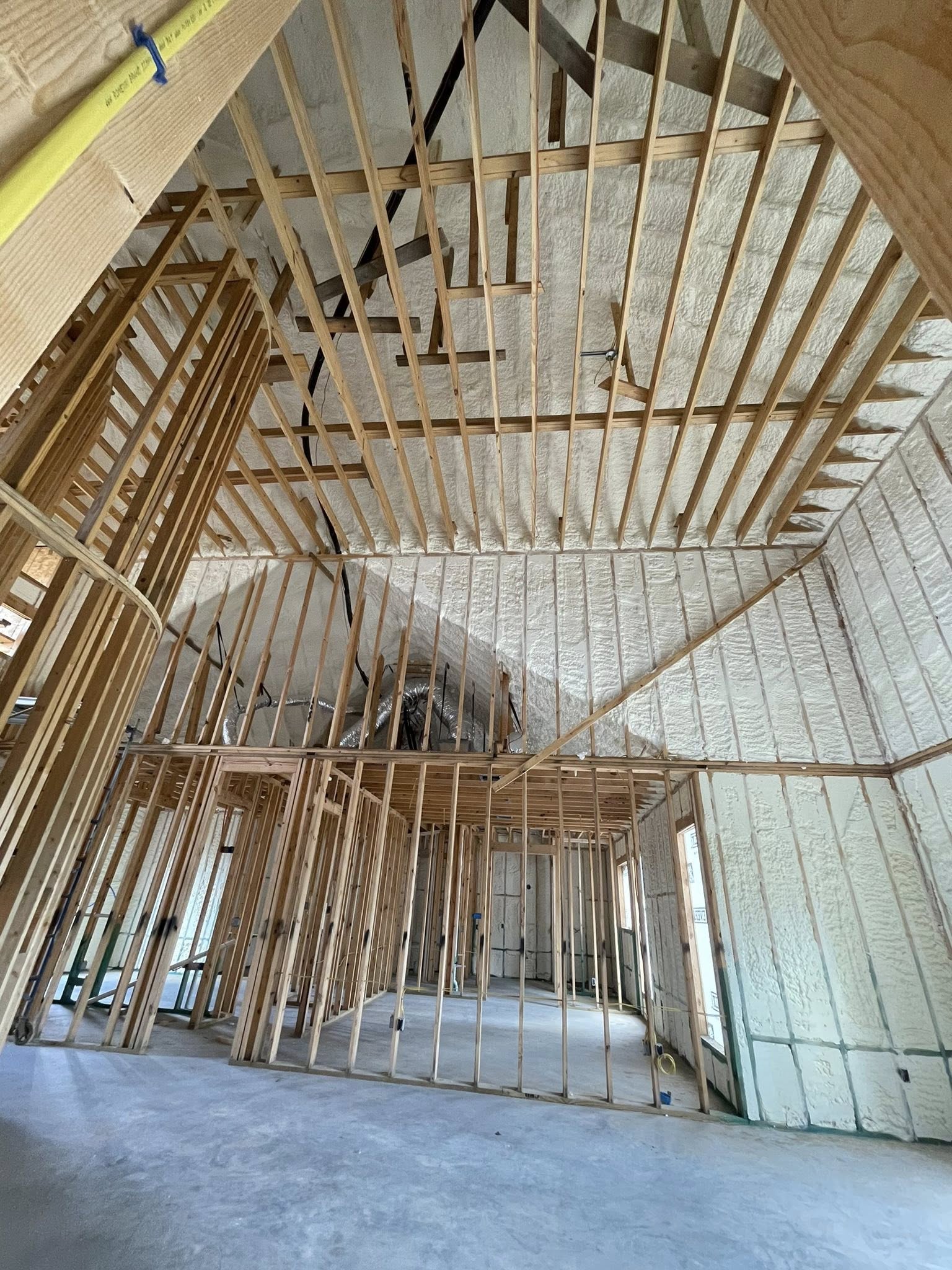
Spray foam insulation stands out for its ability to create an airtight seal that significantly reduces energy loss. This type of insulation expands upon application, filling in even the smallest of crevices and gaps, ultimately minimizing air infiltration. This results in a more stable indoor temperature, lowering heating and cooling costs, which translates into reduced energy consumption. Over time, these energy savings contribute to a reduction in carbon emissions—making spray foam a highly sustainable choice.
An important aspect of eco-friendly insulation is its impact on indoor air quality. Poor indoor air quality can lead to health issues such as allergies and respiratory problems. Spray foam insulation is effective at preventing the infiltration of outdoor pollutants, dust, and allergens, thereby enhancing indoor air quality. Additionally, it is free from harmful chemicals like formaldehyde, making it a safer option for both residents and the environment.
Aside from its effectiveness in thermal insulation, spray foam offers additional benefits through its use of renewable resources. Many types of spray foam are now being produced using natural ingredients such as soy, bamboo, or recycled plastics. This shift towards renewable materials helps decrease dependence on traditional petroleum-based products.
Another innovation in the realm of eco-friendly insulation is spray foam coatings. These coatings can be applied to both residential and industrial buildings to improve insulation value and protect against environmental wear and tear. Coatings can significantly extend the lifespan of roofs and walls by reflecting UV rays, which not only protects the structure but also enhances energy efficiency by reducing heat absorption.
For businesses looking to optimize their operational efficiency, investing in industrial spray foam and coating insulation is a step towards a more sustainable future. This insulation not only contributes to lower energy bills but also plays a role in the global effort to reduce greenhouse gas emissions. As companies are increasingly held accountable for their environmental impact, choosing eco-friendly insulation becomes both an ethical and economically sound decision.
As the industry continues to innovate, the adoption of environmentally conscious building practices is expected to rise. Through the strategic use of advanced insulation technologies like those offered by Industrial Spray Foam & Coatings, both homeowners and business owners can enjoy the dual benefits of high-performance and environmental stewardship.
In conclusion, the move towards eco-friendly insulation solutions is more than a trend—it's a necessary shift towards sustainability. Embracing spray foam and coating innovations not only optimizes energy efficiency but also supports the global shift towards more sustainable living and business practices. Whether you're building new or renovating, choosing the right insulation will make a significant impact on both your financial savings and your contribution to a healthier planet.
/filters:no_upscale()/filters:format(webp)/media/86bd32d4-0cd7-4226-b0b8-d4d20996372d.jpeg)